
Last updated November 18, 2026
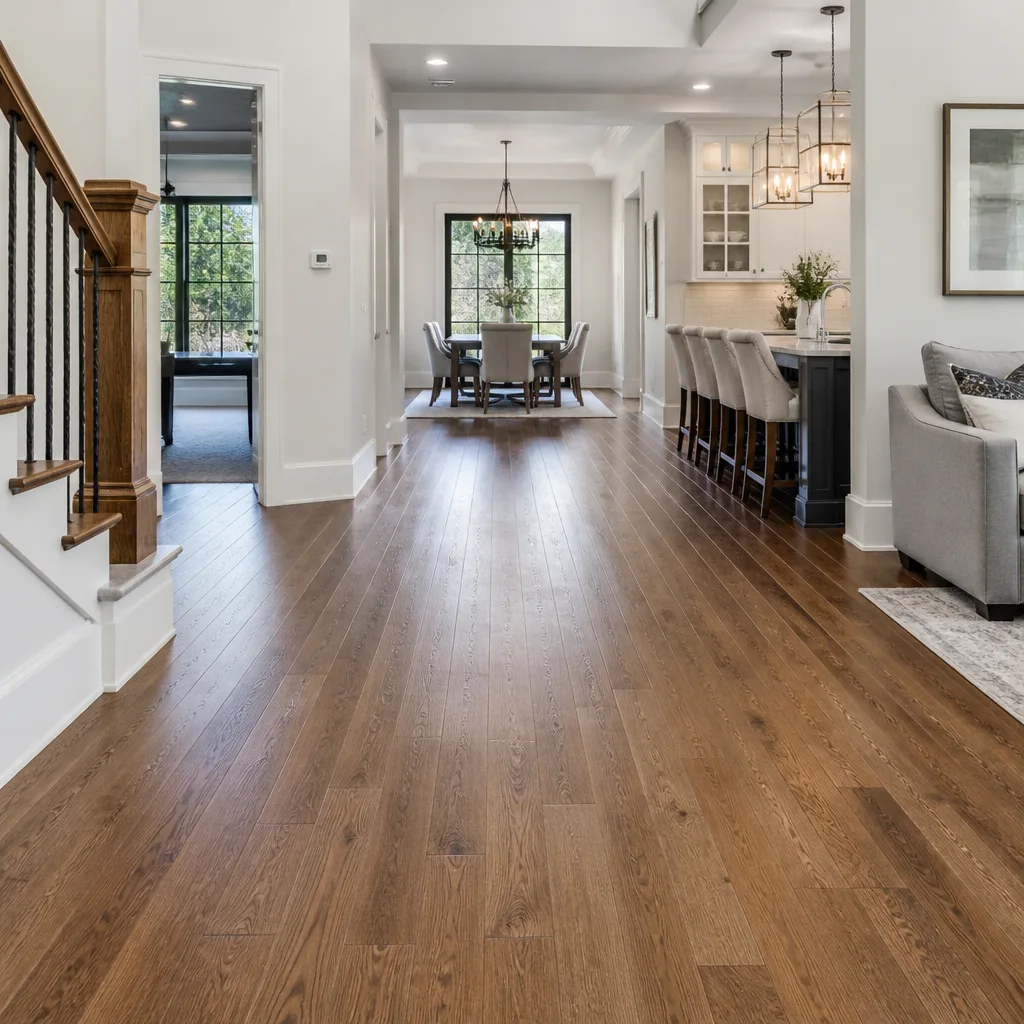 Hardwood
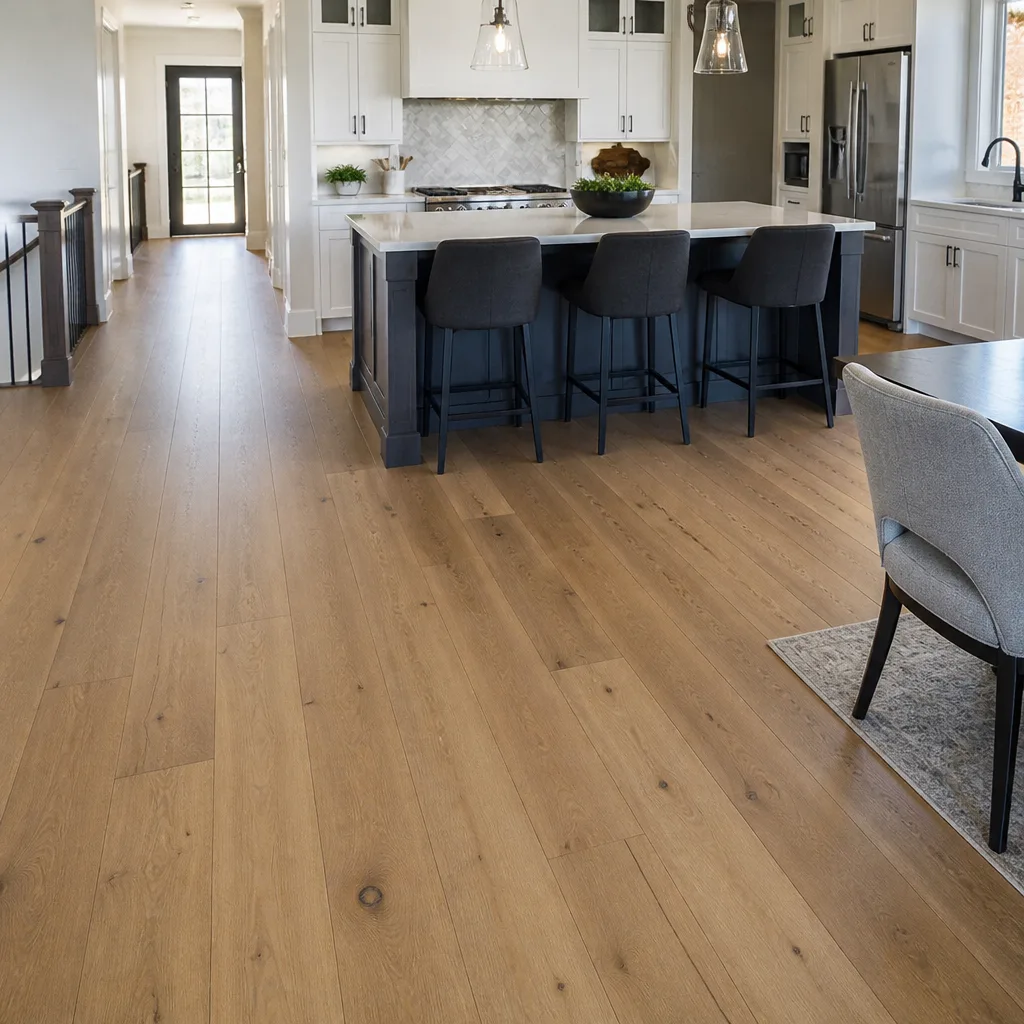 Engineered hardwood
 Luxury vinyl plank
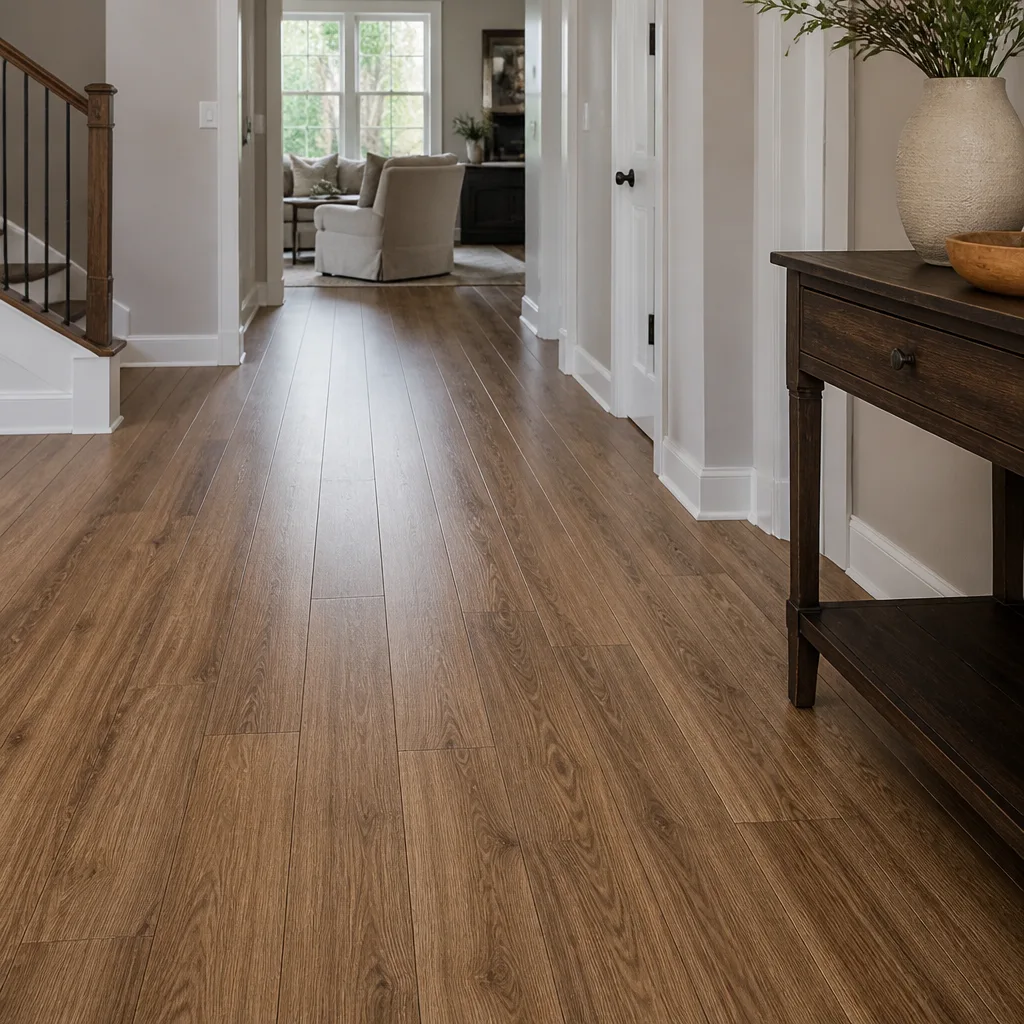 Laminate
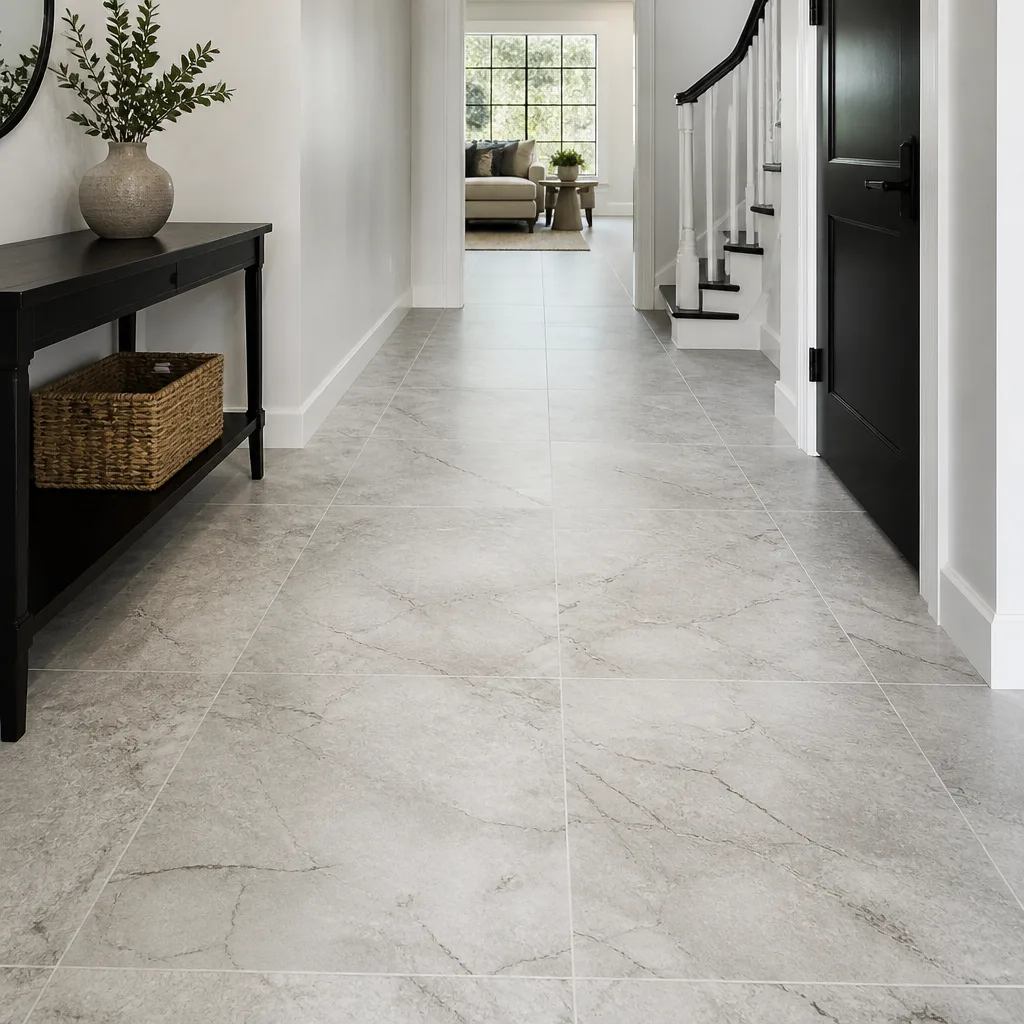 Porcelain tile
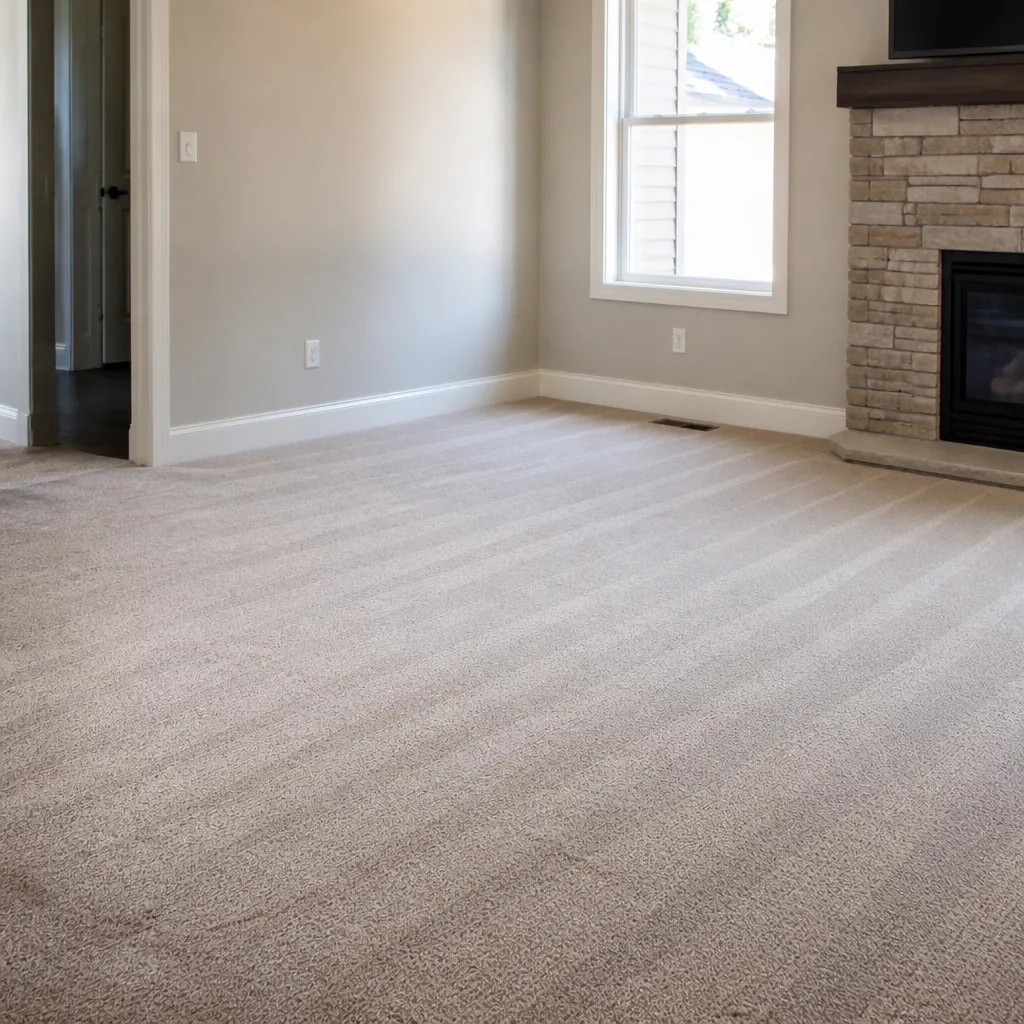 Carpet
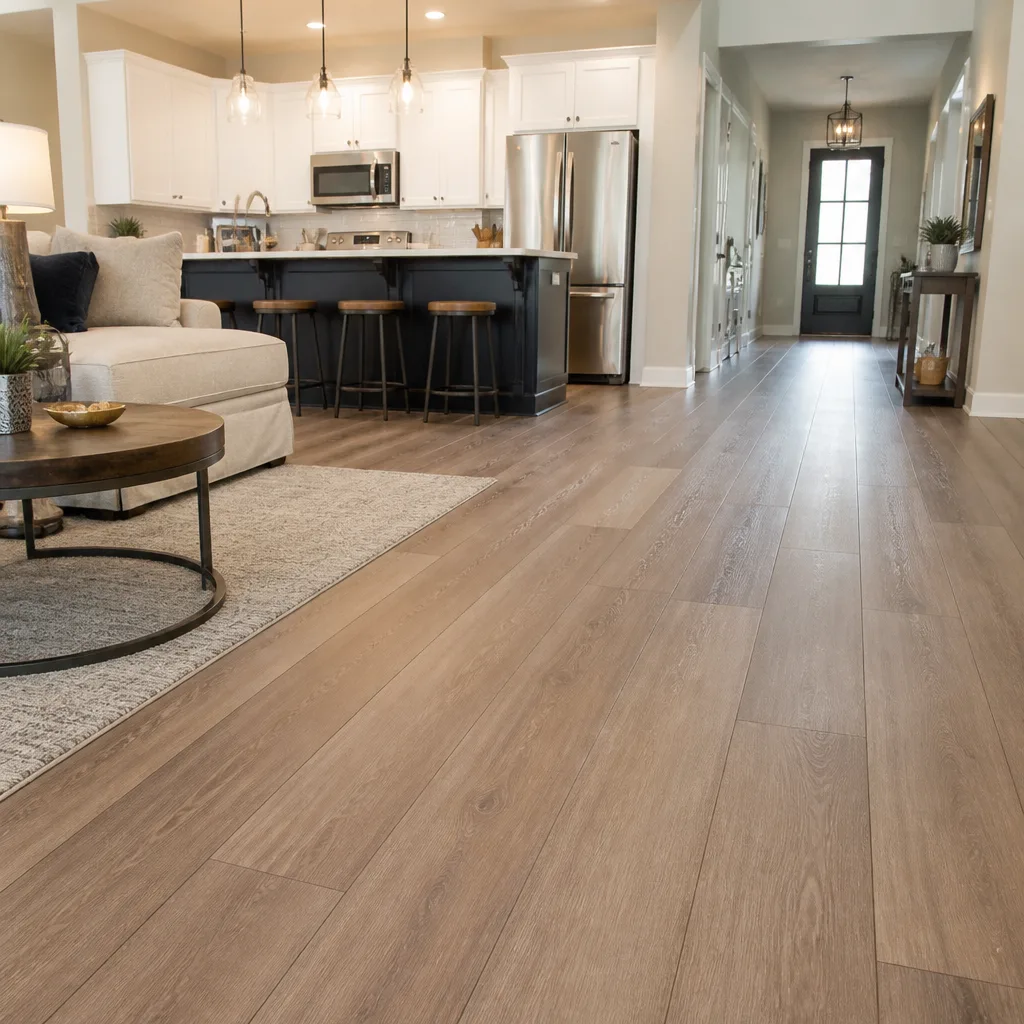 Shaw
 Mohawk
 COREtec
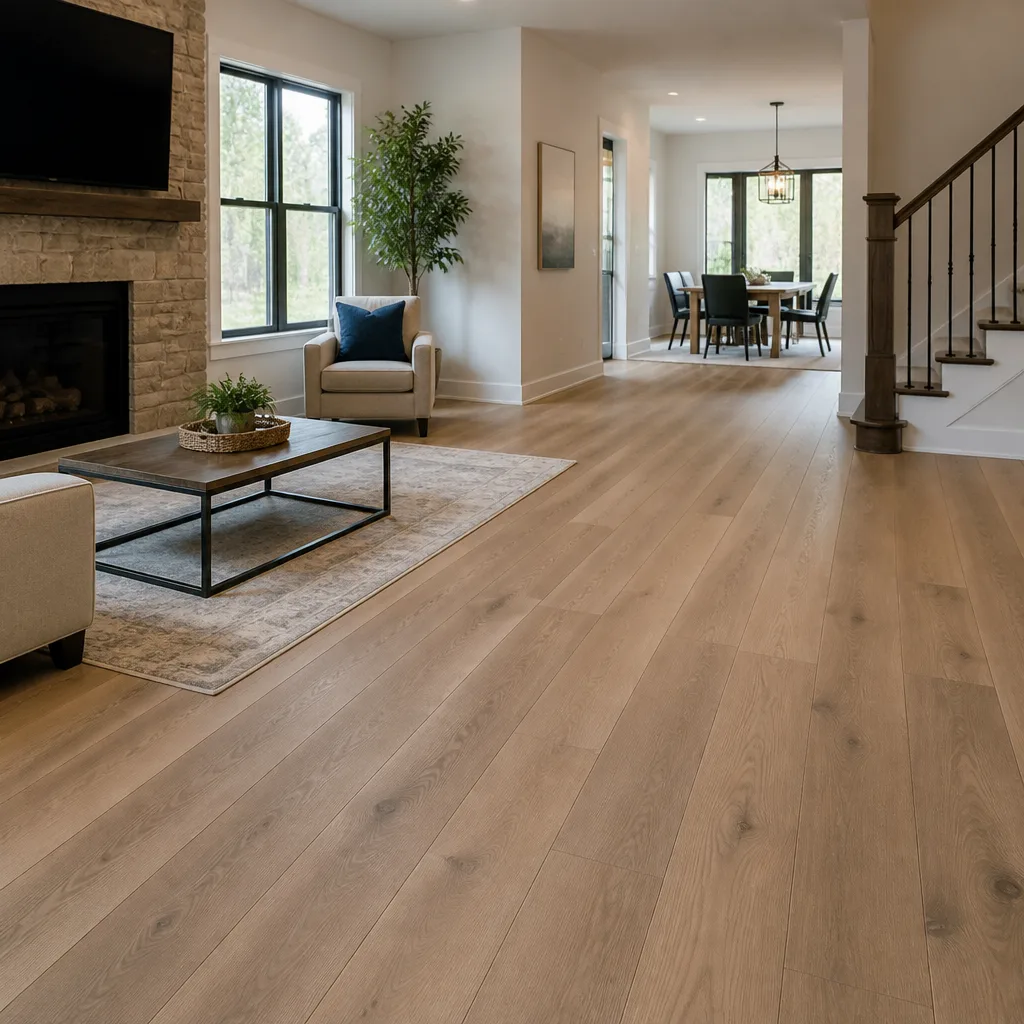 Pergo
Free in-home measure and written estimate: Shaw, Mohawk, COREtec and Pergo lines compared on your own rooms, with carpet, tile, vinyl plank, laminate and hardwood laid out side by side
Get your free estimateFlooring Installation Questions to Ask Before You Sign
Most homeowners spend weeks choosing a floor and about ten minutes choosing who installs it. That ratio is backwards. The product gets all the attention because it comes in samples you can touch, while the contract gets skimmed because it’s paperwork. In Henderson, where slab-on-grade construction is common and the desert swings between dry heat and the occasional damp monsoon week, the questions you ask before ink hits paper tell you almost everything about whether the job will hold up. This guide gives you the exact questions to ask, the answers that should make you comfortable, and the answers that should make you pause. We’ve built it so you can walk into any estimate conversation in Henderson knowing more than the person across the table expects.
Quick Answer
Before you sign a flooring contract, ask about five things: how the install crew handles subfloor preparation and moisture testing, who is responsible for acclimating the material on site, exactly where the scope starts and stops at thresholds and stairs, what the warranty covers and who files a claim, and what the callback policy is for the first year. A contractor who answers these specifically and quickly knows their trade. One who gets vague or defensive is telling you something too. The single best opener is: “What’s your protocol if the slab moisture reading exceeds the manufacturer’s install limit?” The answer separates a flooring specialist from someone who also lays floors.
Styles & brands we work with
- Hardwood
- Engineered hardwood
- Luxury vinyl plank
- Laminate
- Porcelain tile
- Carpet
- Shaw
- Mohawk
- COREtec
- Pergo
Table of Contents
- The Preparation Questions That Expose Gaps Early
- Moisture and Acclimation Questions for Henderson’s Climate
- Warranty Questions: Who Files, What Voids It, Who Coordinates
- Scope Boundary Questions: Thresholds, Stairs, and Edges
- Timeline and Disruption Questions for Multi-Material Projects
- The Post-Installation Questions Most Homeowners Forget
- What Should Actually Be in the Written Contract
- Common Mistakes to Avoid
The Preparation Questions That Expose Gaps Early
Preparation is where flooring projects are won or lost, and it’s the part nobody sees once the planks are down. Ask these questions before the estimate is written, not after, because a contractor who skips prep in the pitch will likely skip it in the field. In Henderson, much of the housing stock sits on concrete slab rather than a wood subfloor, so the conversation should include slab prep, flatness, cracks, and patching. If the contractor talks only about the product and never about what’s underneath it, you’ve learned something.
Here are the prep questions to ask, in roughly the order a flooring specialist will expect them:
- “How will you check the subfloor before install?” A proper answer describes testing flatness and checking for cracks, high spots, and bond issues. “We’ll eyeball it” is not an answer.
- “What happens if the slab isn’t flat enough?” The answer should describe a patching or leveling step and whether it’s included in the written quote or billed separately.
- “Do you photograph the subfloor before covering it?” This is the question most homeowners never ask. Photos of the prepped slab protect you if something goes wrong later.
- “Who moves the furniture, and who pulls the old floor?” Demolition and furniture moving are common scope gaps. Get it in writing.
- “What do you do about the existing tack strip and staples under old carpet?” The answer should be a specific removal step, not “we’ll deal with it.”
The prep conversation matters most when the floor is going into a room with an existing tile edge, a transition to another material, or a door threshold nearby. Those are the spots where bad prep shows up six months later as a clicking plank or a lifted corner. Whether you’re planning new carpet installation or a hard surface, the prep standard is the same and should be stated plainly. Our technicians have up to 10 years of experience, and the ones we work with will walk you through each of these steps at the estimate rather than rushing past them.
Moisture and Acclimation Questions for Henderson’s Climate
Moisture is the silent killer of flooring installations, and in Henderson the problem is more nuanced than people assume. The desert is dry, yes, but slab moisture comes from the ground beneath the concrete, not the air above it. A slab poured decades ago can still hold moisture, and a luxury vinyl plank from COREtec or Pergo installed over a damp slab will fail no matter how good the product is. Ask about moisture testing explicitly. The right installer tests, records the reading, and has a plan if the number is high.
Ask these questions directly:
- “Will you test the slab for moisture before install, and can I see the reading?” A flooring specialist expects this question and answers it without flinching.
- “What’s your protocol if the reading exceeds the manufacturer’s install limit?” This is the question that separates the specialist from the generalist. A good answer is specific and procedural: a moisture barrier, a different adhesive, a delay, or a vapor retarder depending on the product. A vague answer tells you they haven’t hit this before or don’t want to talk about it.
- “How will the material acclimate, and where?” Acclimation lets the floor adjust to the room’s temperature and humidity before it’s installed. The exact time depends on the product and the home, and the product instructions and the written estimate set it. The installer should describe where the boxes will sit and how long, not hand-wave.
- “Does the adhesive or underlayment choice change with the season?” Adhesive cure times shift with temperature and humidity. In Henderson, summer installs and winter installs can call for different approaches, and a good installer knows which window they’re working in.
Ask about acclimation and moisture in the same breath. They’re connected. A floor that’s acclimated to a Henderson room but installed over a wet slab will still fail, and a dry slab with material that wasn’t given time to adjust can cup or gap. Both questions protect you. If the contractor’s answer to either is “we’ve never had a problem,” ask for their process anyway. Process beats confidence.
Warranty Questions: Who Files, What Voids It, Who Coordinates
Manufacturer warranties and installer labor warranties are two separate documents that have to work together. A product warranty from Shaw or Mohawk covers the material. A labor warranty covers the installation work. The trouble starts when nobody coordinates them and a problem in year one falls between the two. Ask before you sign which warranty covers what, who files a claim on your behalf, and what could void either one.
The warranty questions worth asking:
- “What voids the manufacturer’s warranty on this product?” Common answers include installation over an unapproved subfloor, failure to acclimate, or using an adhesive the manufacturer doesn’t recognize. Get the answer in writing if you can.
- “Does your labor warranty cover the installation, and for how long?” A written labor warranty term is table stakes.
- “If something fails in year one, do I call you or the manufacturer?” The right answer is that you call the installer, and the installer coordinates with the manufacturer. If they tell you to chase the brand yourself, that’s a signal.
- “Are your installers covered under your own warranty, or do you subcontract?” This is fair to ask, and the answer tells you who stands behind the work. We connect homeowners with independent local professionals, so the warranty arrangement should be spelled out clearly in the written quote.
- “Will you give me a copy of the warranty documents at the install, not just the brand folder?” The product literature is a start. The labor warranty is the one people forget to keep.
Warranty language is where vague contractors get exposed. If a contractor can’t tell you what voids the warranty on a product they’re selling, they haven’t read it, and that’s not a good sign. The best time to clear this up is at the estimate, when you have the attention of the person writing the quote. Once the floor is down, the conversation gets harder.
Scope Boundary Questions: Thresholds, Stairs, and Edges
Scope disputes almost never start in the middle of a room. They start where one material meets another, where a stair begins, or where a door frame sits too low for the new floor plus underlayment. These edges are where the written estimate has to be specific, because “install flooring” can mean five different things depending on the contractor’s reading. In Henderson homes with a mix of tile in the kitchen and carpet in the bedrooms, the transitions are the whole conversation.
Ask these scope questions before signing:
- “Where does the new floor stop?” At the door jamb? Under the door frame? At the transition strip? Get a number or a description, not a gesture.
- “How will the new floor meet the existing tile at the kitchen edge?” The answer involves a transition strip, a reducer, or a grout line pull. Each has a look and a cost, and each should be named in the estimate.
- “Are stairs included, and how are they priced?” Stairs are frequently a line-item afterthought. If they’re in scope, they should be a line item. If they aren’t, you need to know now.
- “Will you undercut the door frames or remove the baseboards?” This is where a clean install looks finished versus looks patched. Ask what happens to the base trim.
- “Who handles moving the appliances in the kitchen or laundry room?” Appliance moving affects the schedule and the prep. Get it in writing.
If your project spans several rooms with different materials – a tile flooring installation in the kitchen and hall, carpet in the bedrooms – the scope-line conversation gets more complex, not less. A flooring-only company handles these transitions better because it’s already coordinating multiple materials under one quote. Ask for a room-by-room breakdown of what’s included, and ask what isn’t. The “what isn’t” column is where you learn the most.
Timeline and Disruption Questions for Multi-Material Projects
A multi-material project is a sequencing problem. The tile has to go in before the thresholds go down. The carpet has to be installed after the furniture’s been staged. The baseboards have to come off before the floor and go back on after. Ask how the sequence works, how many installers will be in the home on each day, and how the project handles the realities of Henderson weather during adhesive work. The answers tell you whether you’re working with someone who schedules the job or someone who shows up and starts cutting.
Timeline and disruption questions worth asking:
- “What’s the sequence for a multi-room project?” Ask which room goes first, where the installers will stage materials, and how each room is handed back to you. A clear sequence keeps one room livable as long as possible.
- “How many installers will be in the home on any given day?” The number matters less than the answer being specific. “Some guys” isn’t an answer.
- “How will adhesive cure times work in a Henderson summer?” Summer heat and the HVAC running can dry adhesive faster than expected. The contractor should describe how they account for temperature and humidity during adhesive installs.
- “What happens if we hit a snag – a slab crack, a moisture reading, a late material delivery?” A realistic contractor has an answer for this. A hopeful one doesn’t.
- “Will I have daily access to the installers, or do I need to go through an office?” For multi-day projects, communication matters. Know what to expect.
The install schedule is set at the estimate, so ask these questions there. In a Henderson home with three or four rooms, the disruption question is as much about daily life as it is about the project. Ask where the materials will sit, whether the refrigerator needs to be emptied, and whether the crew can work around a home office for a morning. The answers make the project less stressful, and they’re a fair test of whether the contractor has done this kind of multi-room work before. The whole point of hiring a flooring-only specialist is that the sequencing comes naturally.
The Post-Installation Questions Most Homeowners Forget
The conversation before signing shouldn’t end with the install. The best contractors can answer what happens in year one, year two, and after. These questions sound like afterthoughts, but they’re the ones that matter most if something goes wrong. A floor that lifts at a corner, a grout line that cracks, or a plank that clicks underfoot needs a defined response from the contractor, not a shrug. Ask before you sign, because that’s when the contractor is motivated to define their policy.
Ask these follow-up questions:
- “What’s your callback policy if something moves in the first year?” Get a window in writing. A working answer is a defined period for a callback, not “we’ll take care of you.”
- “Who do I call if I notice a problem – the installer, the salesperson, or an office line?” Know the name of the process, if not a person. A single point of contact for post-install questions makes a big difference.
- “Did you photograph the subfloor conditions before covering them?” Ask to see the photos. Pre-install images are your evidence if a moisture or prep issue shows up later.
- “Will you give me the material batch or lot info after install?” If you need to replace a plank or tile later, matching the batch saves you a repaint or a partial re-install.
- “What maintenance should I be doing in the first year?” The answer changes by material – carpet from Shaw needs different care than a COREtec luxury vinyl plank or a sealed hardwood. Ask for the honest short version, not the brand brochure.
If your project includes restoring rather than replacing an existing wood floor, ask the refinishing-specific version of these questions too. How long after the finish goes down before furniture should go back? Can the floor be recoated down the road? What’s the cleaning routine? A hardwood refinishing specialist will have answers at their fingertips because refinishing is a defined process, not an afterthought.
What Should Actually Be in the Written Contract
By the time you’ve asked the questions above, you should have a written estimate or contract that reflects the answers. Not a one-line quote and not a verbal agreement. The written document is where the conversation becomes an enforceable scope. If the contractor resists putting the prep, the transitions, the warranty terms, and the schedule in writing, that’s the biggest red flag in the whole process. A flooring specialist expects to be asked.
The written contract should include:
- A room-by-room scope of work with materials named and product brands or lines specified. If it’s carpet, name the brand. If it’s LVP, name the brand. “Flooring” alone isn’t enough.
- Prep steps and what’s included – testing, leveling, patching, demo, haul-away. If any of these are extra, they should be listed as line items.
- Transition and stair details with the hardware described and priced.
- The warranty terms – the manufacturer’s material warranty reference and the installer’s labor warranty, both spelled out.
- The schedule and sequence for multi-day or multi-room work, including the install dates (not arrival windows, since those are set at the estimate).
- The payment schedule and what triggers each payment.
- What’s not included, plainly stated, so nothing becomes a surprise change order mid-install.
If you want a second opinion before signing, that’s a reasonable move. Our free estimate includes a walkthrough of the same questions, and we’re happy to talk through a quote you already have. You can schedule an estimate by calling (844) 972-2185. The point of comparing estimates side by side is to see which one answers the technical questions and which one doesn’t.
Common Mistakes to Avoid
- Signing before seeing moisture test results. In a desert climate like Henderson’s, moisture sounds like a non-issue, which is exactly why it gets skipped. A slab can hold moisture even in a dry city. Ask for the reading and see it before the deposit goes down.
- Accepting a one-line quote. A quote that says “install LVP, living room and hall, $X” is not a contract; it’s a conversation starter. The prep, transitions, and warranty terms need to be in writing or you have no basis to enforce them.
- Assuming “installed” includes removal and haul-away. Almost every scope dispute in flooring starts here. Get the answer in writing, room by room.
- Ignoring the transition question at the kitchen tile edge. If your home has tile in one room and new flooring in the next, the transition is a design and a cost decision. Leaving it out of the quote means it becomes a surprise line item at install.
- Forgetting which warranty document goes to whom. If the material warranty is from Shaw or Mohawk and the labor warranty is from the installer, both matter. Keep both documents, and know who files a claim on your behalf.
- Skipping the acclimation conversation. Whether the material needs to sit in the room before install, and for how long, depends on the product and the home. The right answer is specific to the product. A vague one is a warning.
- Not asking about prep photos. Once the floor is down, you can’t see what’s underneath it. Photos of the prepped subfloor before the install are the simplest protection available.
See the difference
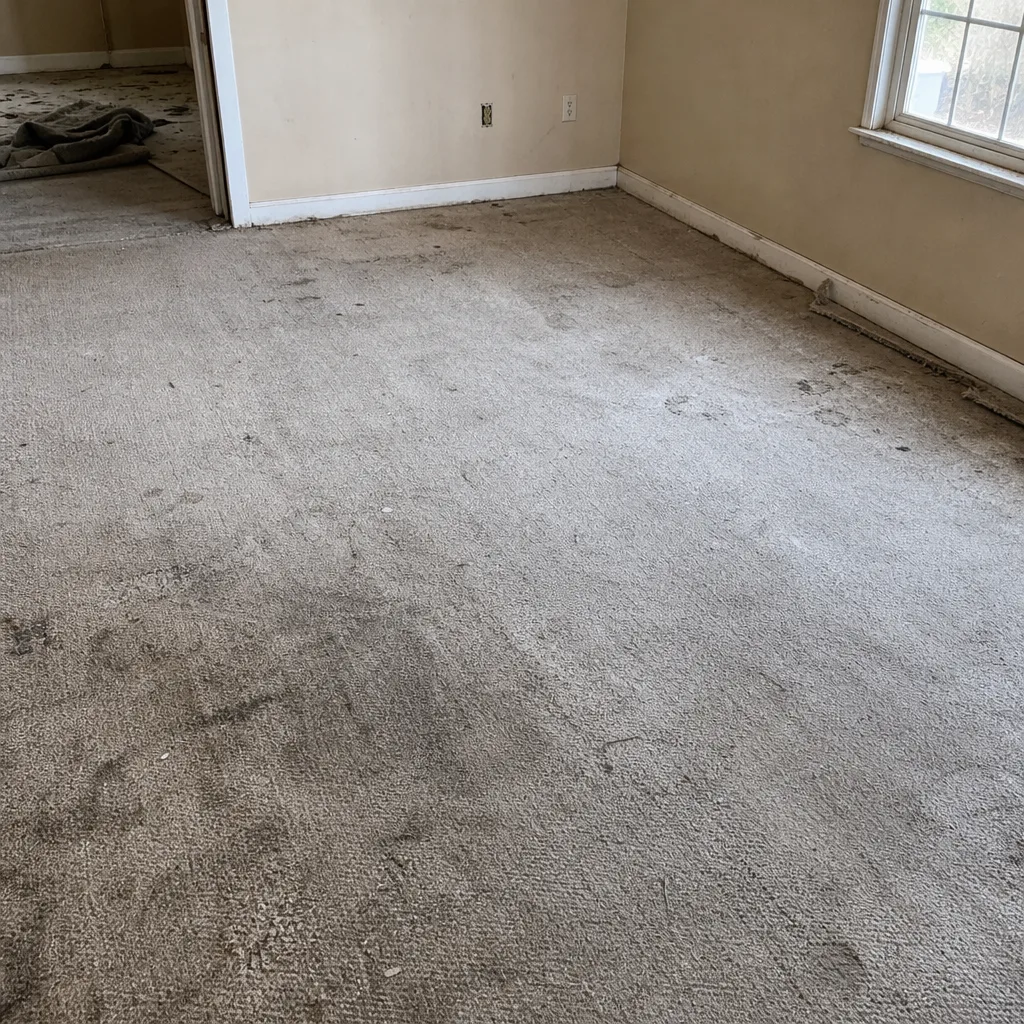 Before
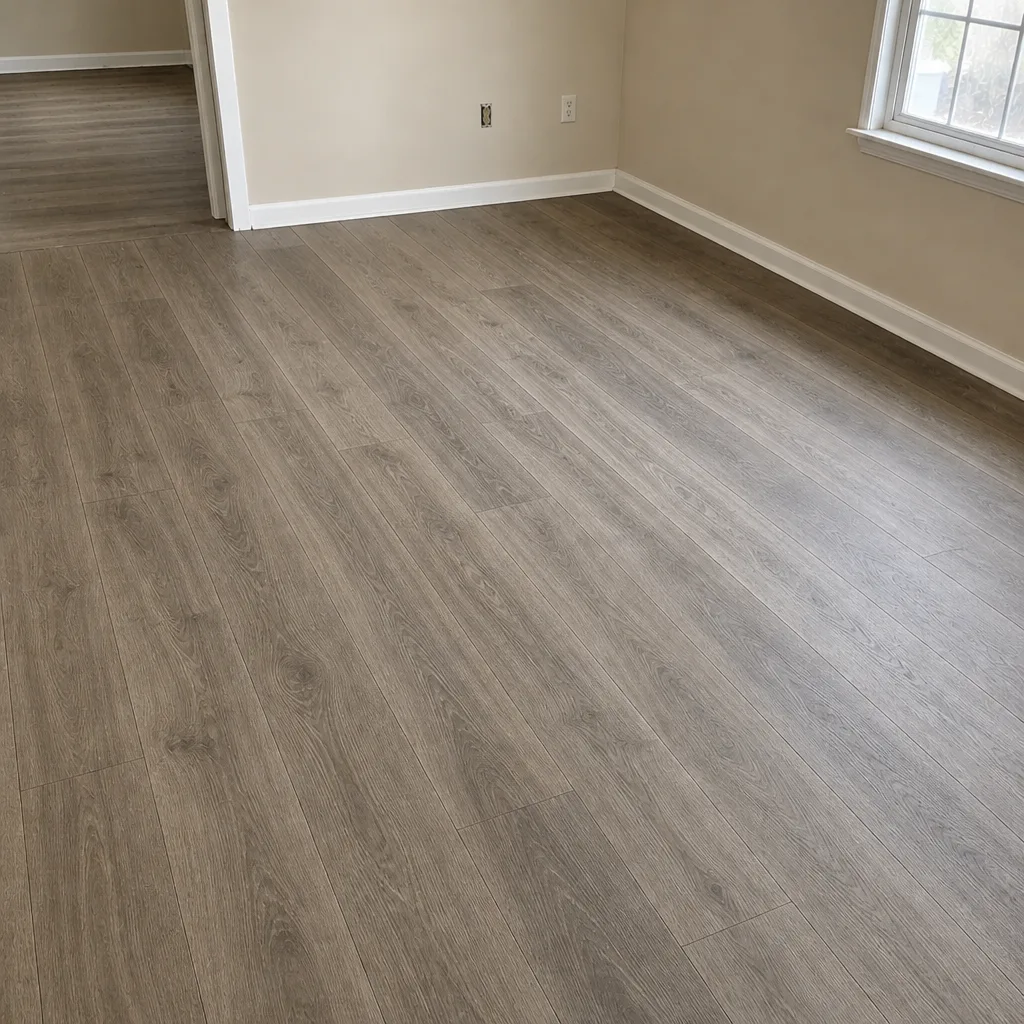 After
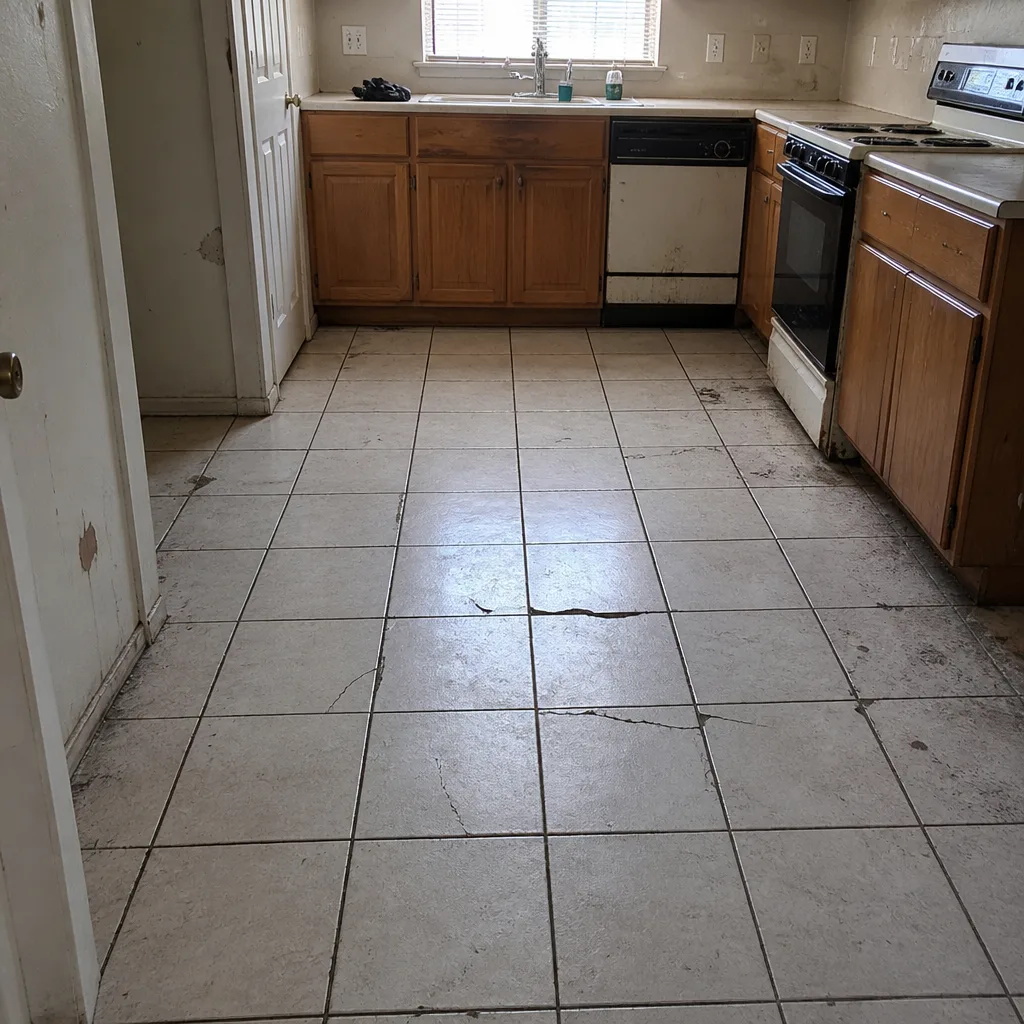 Before
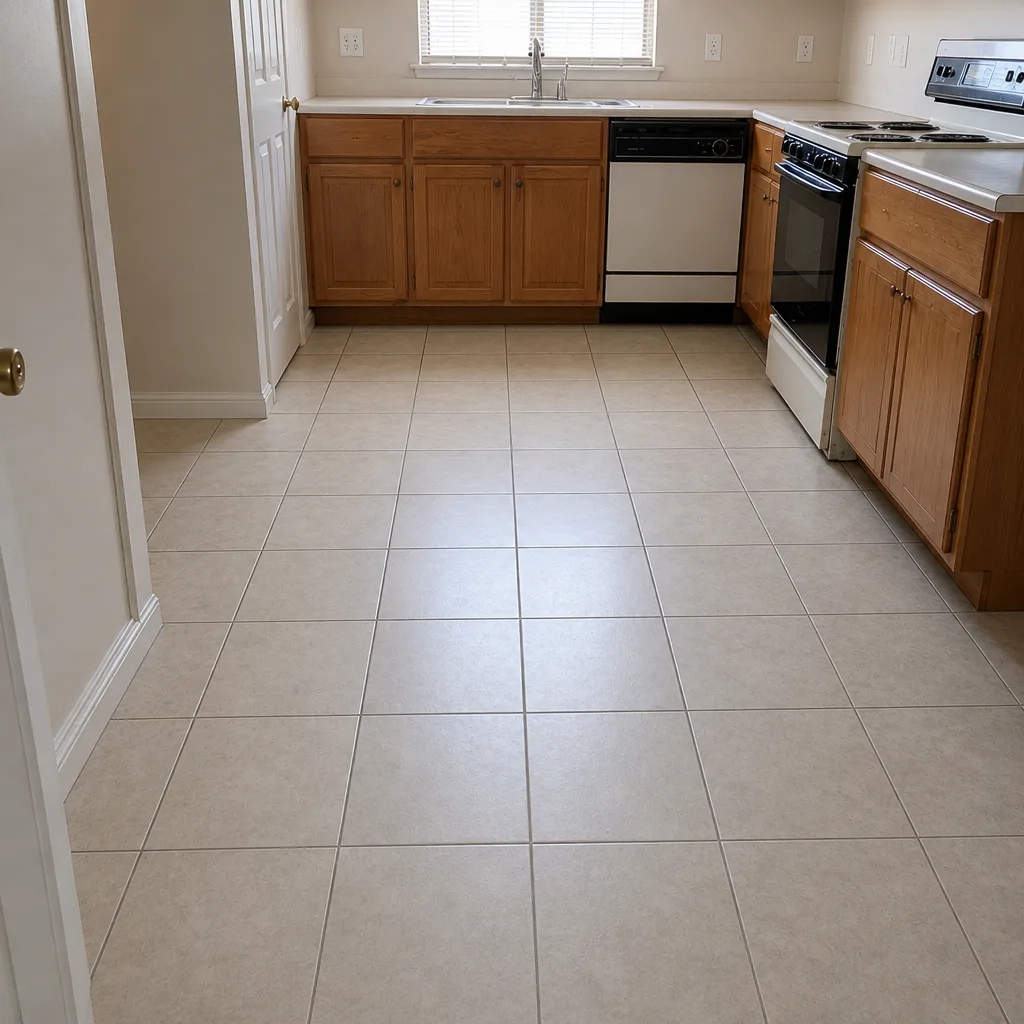 After
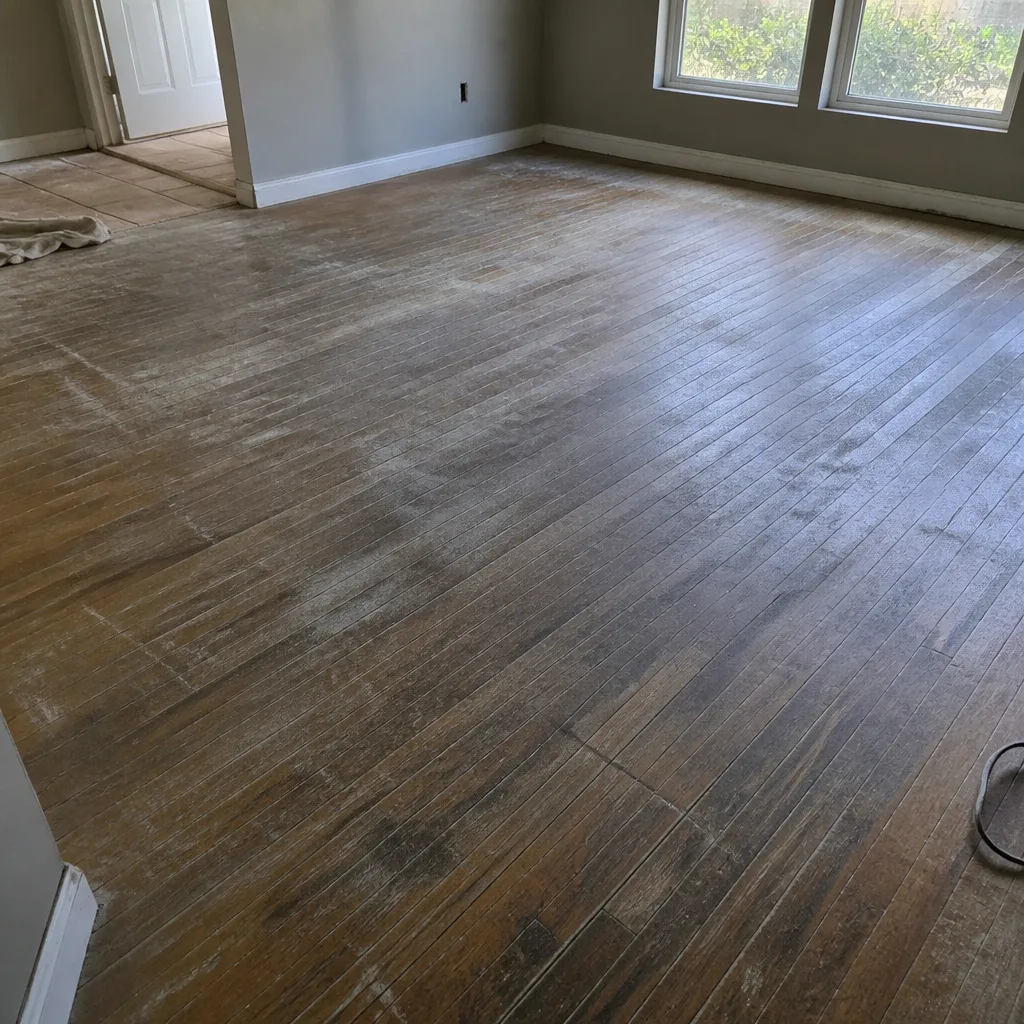 Before
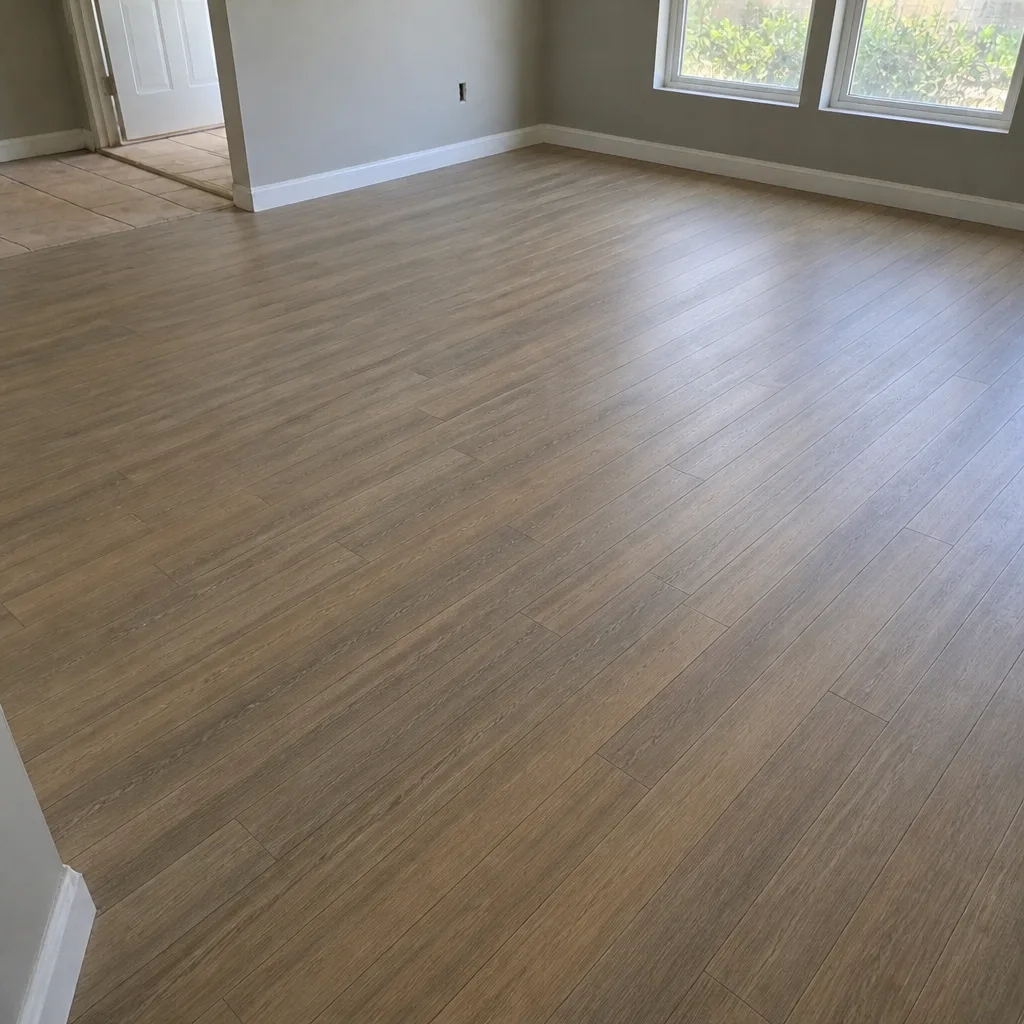 After
When to Call a Professional
If your project involves moisture-sensitive materials on a slab, a multi-room project with mixed materials, stairs, or an existing tile edge that has to meet something new, the prep and scope conversations need a professional on the phone before a deposit is paid. Hardwood refinishing is its own case: if the wood is thick enough and in the right condition, refinishing may extend its life without replacement, but determining that requires an on-site look at the boards. If you’re comparing two quotes and can’t tell which one covers more, that’s the exact moment to get a third estimate and read the scope carefully. We offer free estimates in Henderson, and the estimate visit is where every question in this guide gets asked and answered. Call (844) 972-2185. We answer 24/7, and you can book a walkthrough with fast dispatch from 7am to 7pm, Sunday through Friday.
Frequently Asked Questions
“What’s your protocol if the slab moisture reading exceeds the manufacturer’s install limit?” A flooring specialist answers that question quickly and procedurally, because it’s a hurdle they plan for on every slab install. A general contractor or an installer who also lays floors tends to pause, because moisture testing usually isn’t part of their routine. If you’re in Henderson and considering a slab install, ask it before anything else. You can call (844) 972-2185 for an estimate where we walk through it with you.
You know it’s free if the contractor writes the estimate without asking for a deposit, a measurement fee, or a trip charge. Ask directly: “Is there any charge for the on-site estimate?” A free estimate is a written quote, not a verbal range. Our estimate visits are free and end with a written quote, with the price set per job. Call (844) 972-2185 to schedule one.
It can, yes. Henderson’s desert climate swings between dry summer heat and a monsoon season with higher humidity, and both can affect how a product performs, especially at transitions and edges. An installer who knows the local conditions will ask whether the room has direct sun exposure, whether the HVAC is zoned, and whether the floor is going over slab or a raised subfloor. The answers shape whether a luxury vinyl plank from COREtec, a carpet from Shaw, or a restored hardwood floor makes more sense for that room. Call (844) 972-2185 and we’ll talk through your rooms.
Often yes, with planning. A multi-room project gets sequenced one area at a time, which keeps part of the home usable. The install schedule is set at the estimate, so ask for the sequence room by room. What needs to be moved, what needs to be staged, and how long each room will be off limits should all be in the written plan. Call (844) 972-2185 to schedule a free estimate and get the sequence in writing.
They cover different things. The manufacturer warranty covers the material itself, and the installer’s labor warranty covers the installation work. Both matter, and the two documents should be coordinated so that a claim in year one reaches the right party. Ask before you sign which one is filed by whom, and keep both sets of paperwork together. Call (844) 972-2185 for a free estimate where we spell out what each one covers.
Refinishing is worth considering first, especially if the wood is in reasonable condition and thick enough to sand. It restores the original character rather than replacing it, and it often costs less than a full replacement floor. Whether refinishing is viable depends on the thickness of the wood and its condition, which gets checked at the estimate visit. If refinishing is not an option, a new floor is the right conversation. Call (844) 972-2185 to have us look at your floor and write an estimate for either path.
The Bottom Line
The questions you ask before signing are what separate a smooth flooring project from a stressful one. Five categories matter most: subfloor prep and testing, moisture and acclimation, warranty coordination, scope boundaries at thresholds and stairs, and the post-installation callback policy. Ask each question at the estimate, and expect specific, procedural answers rather than reassurances. In Henderson, slab construction and the desert’s temperature swings make the moisture and prep questions especially important. If you’re comparing quotes and want a specialist’s read on your project, call (844) 972-2185. We answer 24/7, dispatch runs 7am to 7pm Sunday through Friday, and the estimate is free – a written quote with clear scope and honest answers to every question above. If you want to know more about how floors are matched to rooms before you choose, explore Floors Henderson and Henderson coverage.
Written by the team at Floors Henderson.